How will light at differing times of the day effect your shoot?
Light is one of the most critical elements of photography. It shapes the mood, highlights details, and transforms an ordinary scene into something extraordinary. As photographers, we learn to read light—how it shifts throughout the day and how it interacts with the world around us. Let’s explore the unique qualities of light at different times of the day: morning, midday, and sunset and how this will impact the photographer and the clients results.
Morning Light: The Gentle Awakening
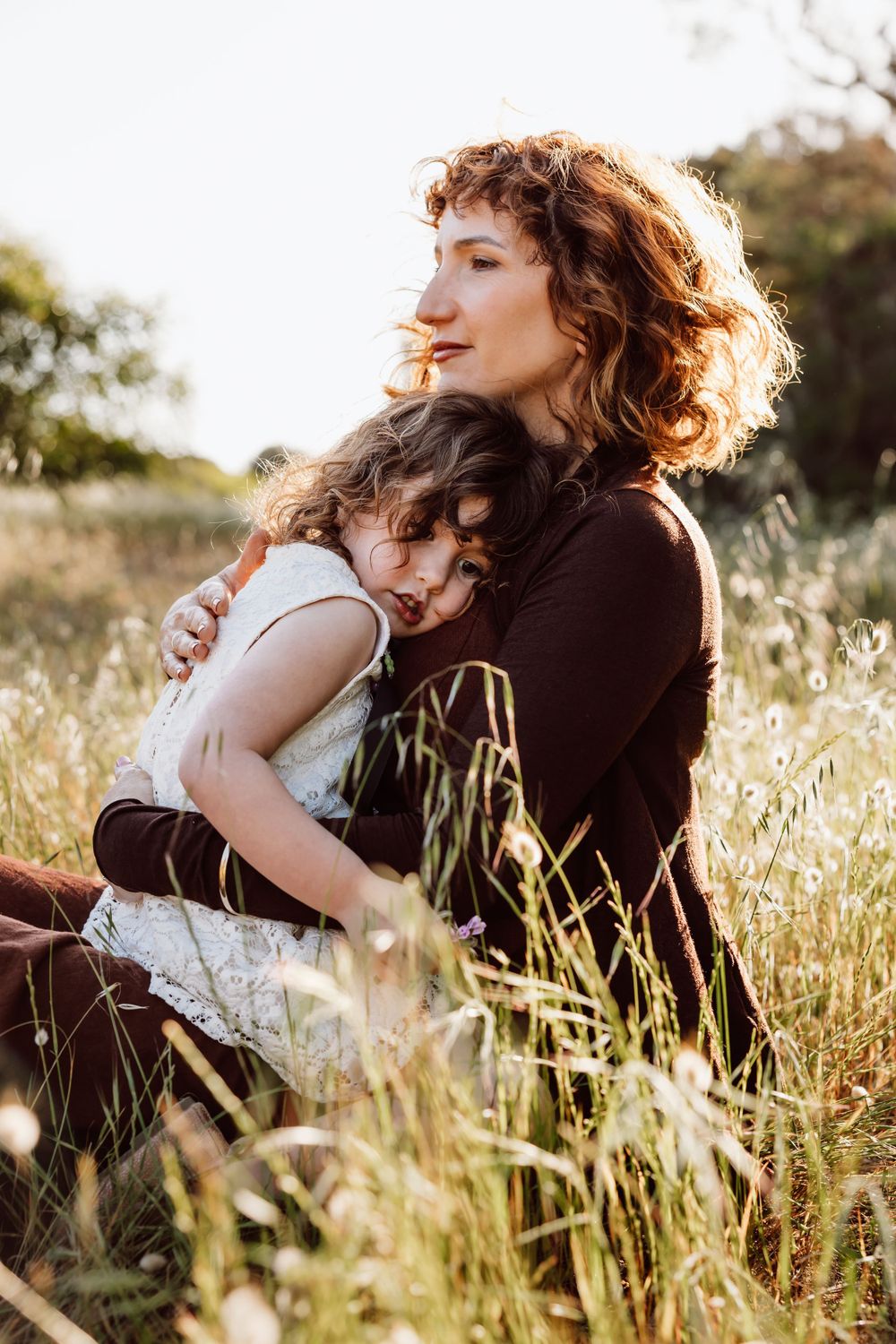
Morning light, often referred to as "golden hour" light, is a dream for many photographers. This time—shortly after sunrise—is when the sun is low on the horizon, casting long, soft shadows and bathing the world in a warm, golden glow.
- Shadows and Textures: Shadows during this time are long and soft, creating a natural sense of depth without harsh contrasts. This is the perfect time to capture intricate textures—like the way dew sparkles on grass or the subtle wrinkles of a fabric.
- Mood: Morning light tends to feel fresh and serene. It’s perfect for storytelling moments filled with quiet anticipation, new beginnings, or a sense of calm.
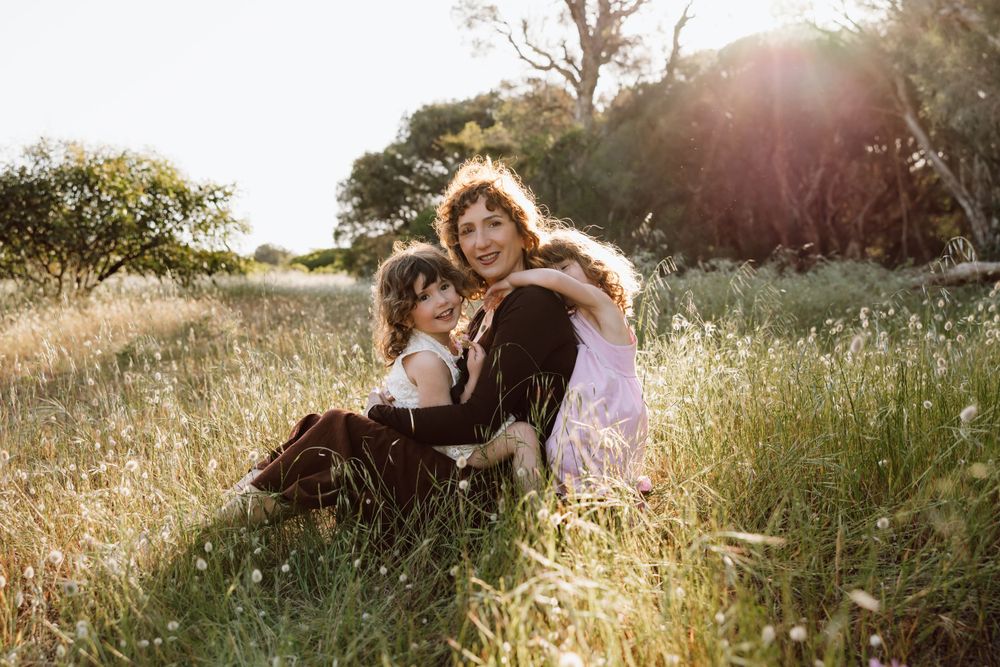
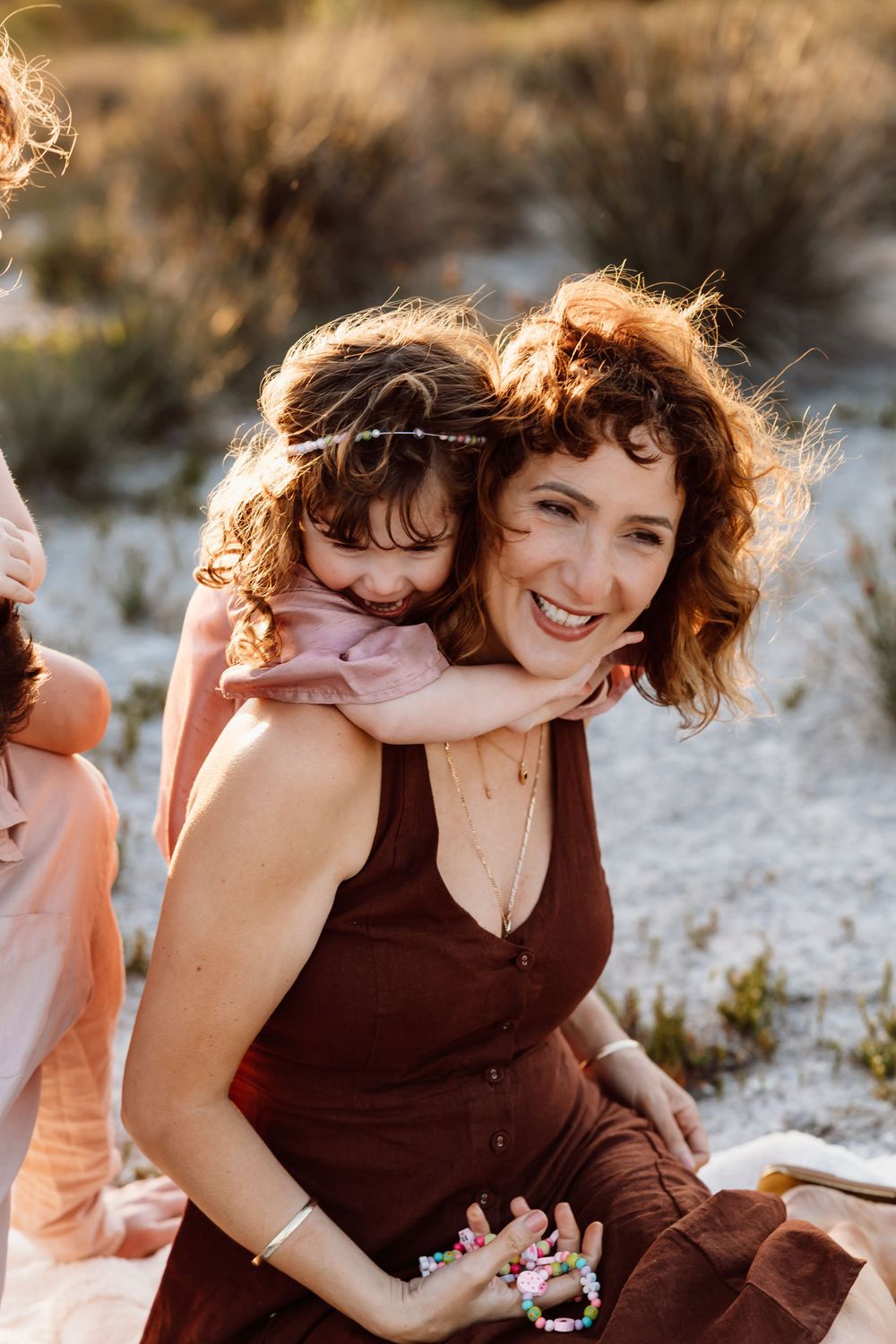
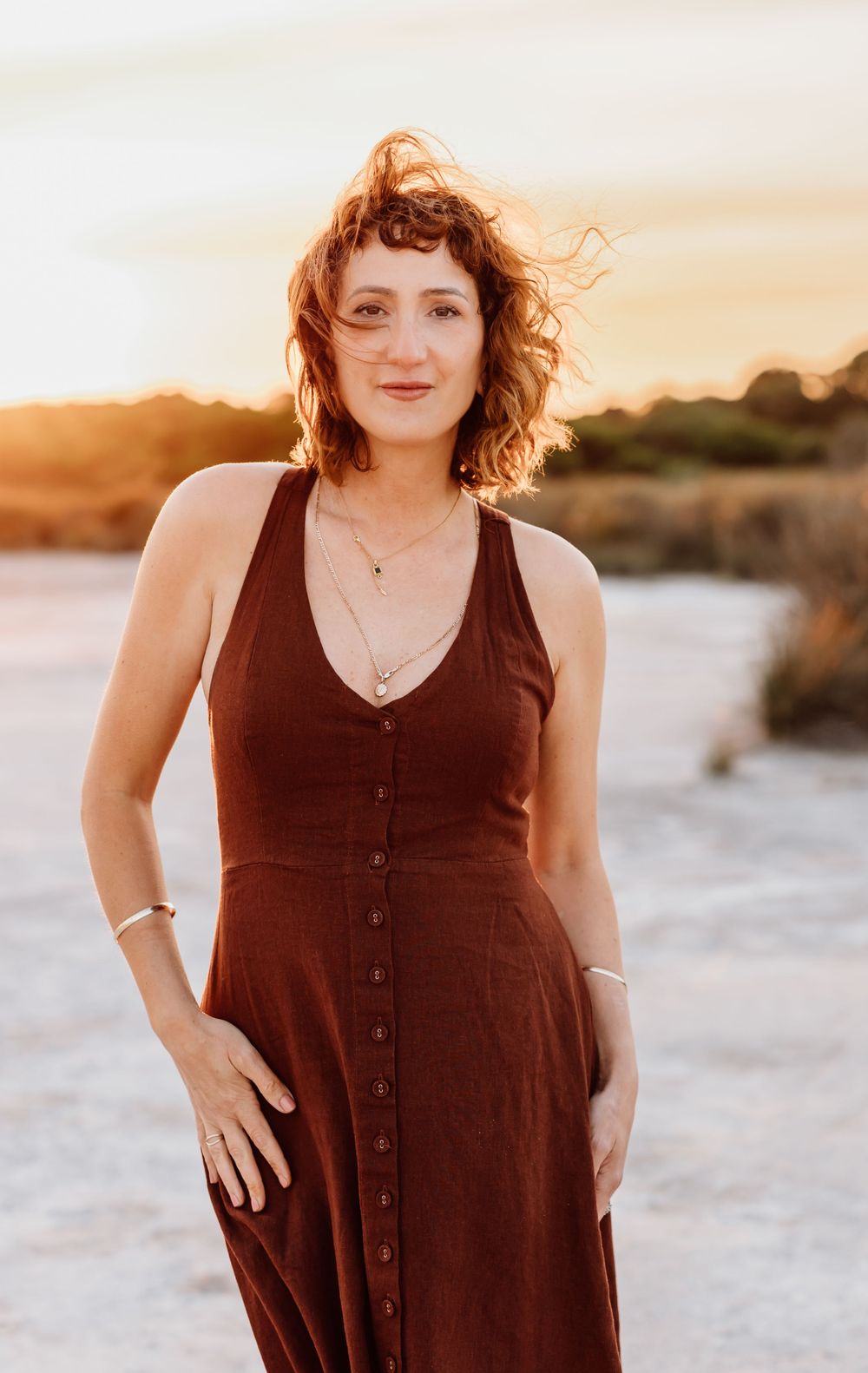
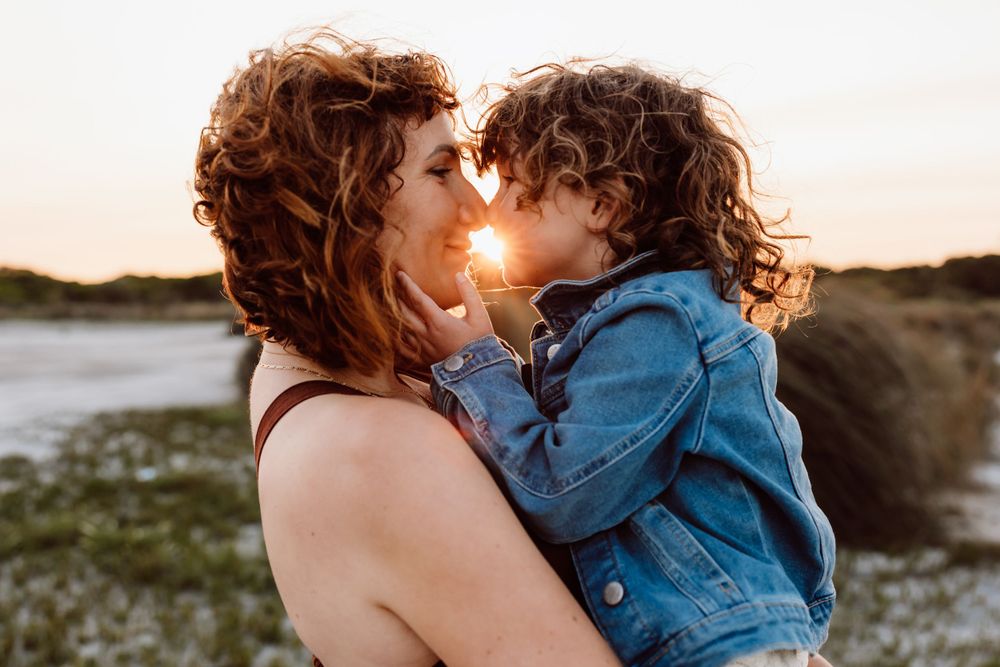
- Pro Tip: Take advantage of the golden hues by shooting with the light coming from behind your subject. This can create magical backlit effects, like glowing edges around your subject or a dreamy, ethereal quality.
Midday Light: Bold and Bright
When the sun is high in the sky, midday light can be the most challenging for photographers. The light is intense, shadows are harsh, and the overall scene can appear flat. However, with some creativity, midday light can be harnessed effectively.
- Shadows and Contrast: Midday light creates strong, short shadows. This high-contrast lighting can be striking for bold, graphic compositions. Look for interesting patterns—like the shadows cast by leaves or architectural elements.
- Colors: While the tones are cooler and less saturated compared to golden hour, midday light can amplify vibrant colors, especially in nature or urban settings.
- Pro Tip: Embrace the challenge by seeking shaded areas or using diffusers to soften the light. Alternatively, lean into the drama of harsh light for dynamic, high-contrast portraits.
Sunset Light: The Golden Finale
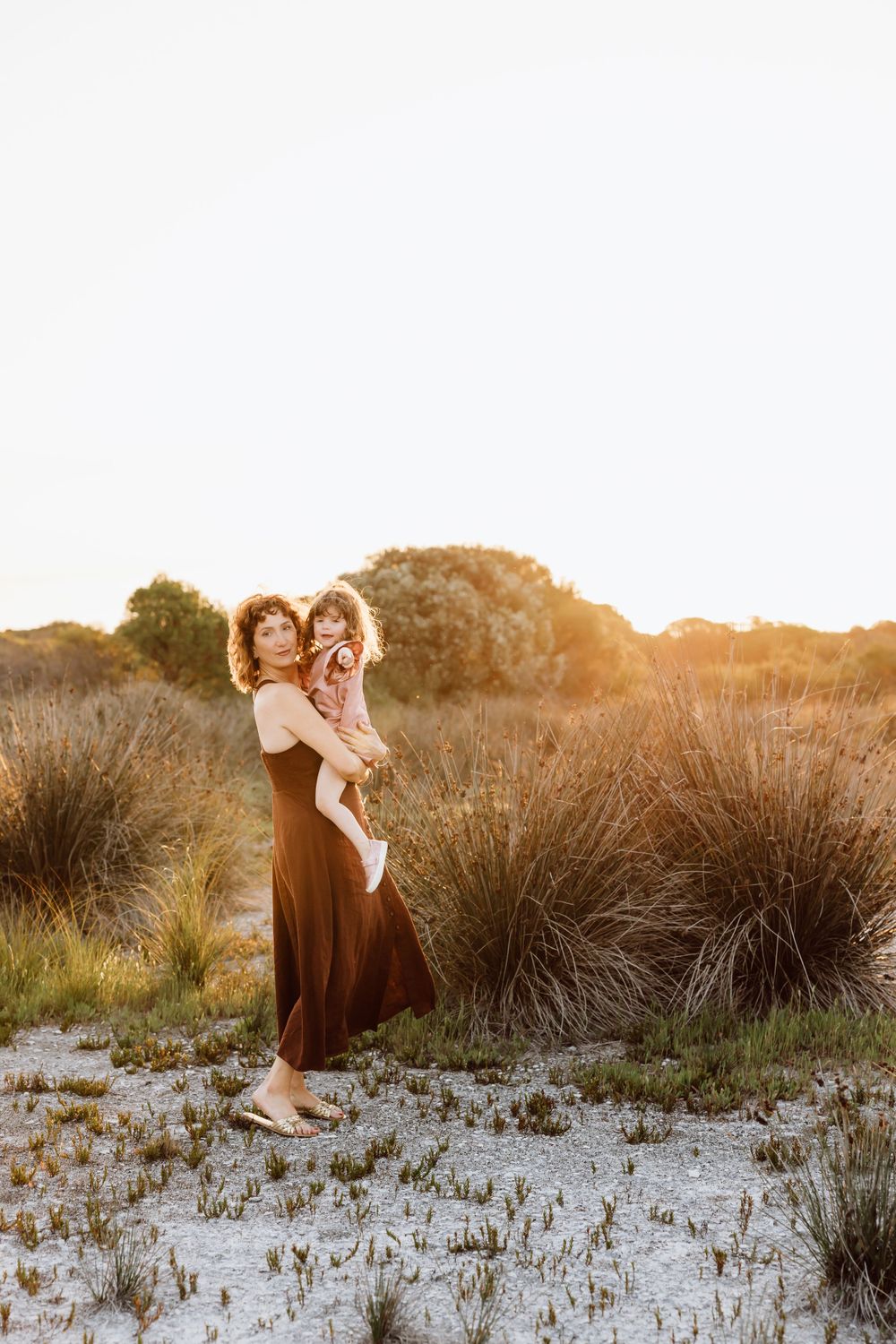
Sunset—another golden hour—offers a lighting scenario similar to morning, but with a richer, more dramatic tone. The light becomes warmer and more saturated as the sun dips toward the horizon, creating an incredible range of photographic opportunities.
- Shadows and Silhouettes: As the sun sets, shadows grow long and soft again, but the warm glow intensifies. This is the perfect time to capture silhouettes by positioning your subject in front of the setting sun.
- Colors and Atmosphere: Sunset light often has more red and orange tones, creating a romantic, nostalgic mood. The skies can also display stunning gradients of color, from deep oranges to purples.
- Pro Tip: Experiment with lens flares and reflections. Water, glass, or metallic surfaces can reflect the warm tones beautifully, adding layers to your composition.
Understanding Light for your session
Every time of day offers unique lighting challenges and opportunities. By understanding these qualities, you can tailor your photography sessions to the mood or story you want to create. Want a calm, ethereal feel? Opt for morning. Looking for drama or vibrancy? Try midday. Need a romantic, cinematic look? Sunset is your go-to.
Light isn’t just a technical aspect of photography—it’s a creative tool that allows us to connect emotionally with our images. The next time you’re out, take a moment to observe how the light is behaving. Notice how shadows fall, how colors shift, and how the atmosphere transforms.
Each moment of light is fleeting—but as your photographer, I get the honor of capturing it forever.
What’s your favorite time of day to shoot, and why?
With love
Tash